Zoofiliahomemcomendobezerracachorra13 Hot
 SHOP
SHOP
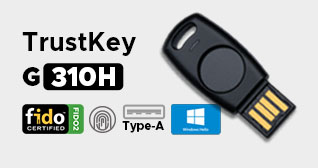
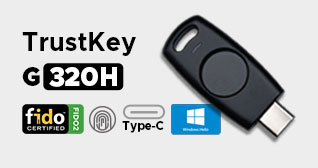
TrustKey
Global Group
The Best Partner for You
Global Group
The Best Partner for You
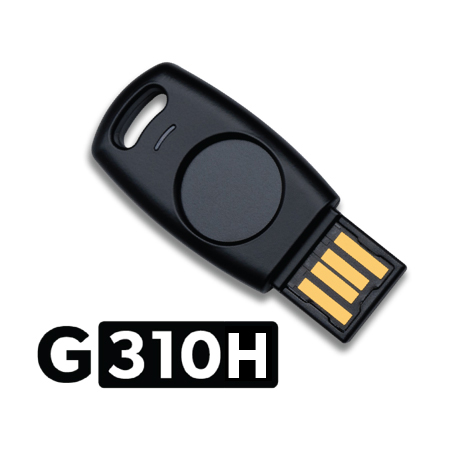
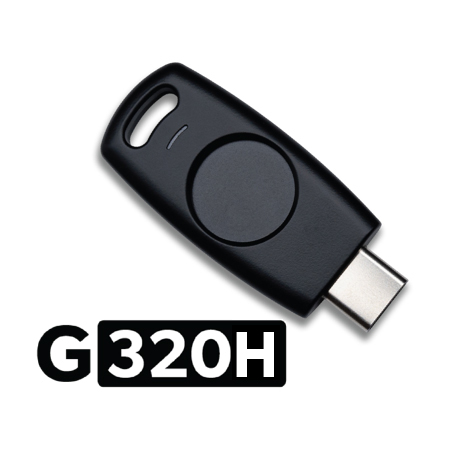
FIDO2 Security Key
Experience the easy-to-use login with Powerful security at the same time.

01
Fast login
without password
02
No more
fingerprint data breach
03
User Protection
with Multi-Protocol Support
04
Multiple
client devices supported
05
FIDO2 Security
Level 2 certified
06
Microsoft Azure
AD support
The pandemic accelerated remote veterinary consultations. Behavior medicine is uniquely suited to telehealth—veterinarians can observe the animal in its home environment (where true behaviors emerge) rather than a stressful clinic.
Repetitive behaviors like tail-chasing, flank-sucking, or excessive licking can stem from dermatological allergies or neurological disorders. Over time, these can transform into compulsive psychological habits.
The application of behavioral veterinary science varies significantly depending on the species being treated. Companion Animals (Dogs and Cats) zoofiliahomemcomendobezerracachorra13 hot
Understanding herd dynamics and flight zones reduces stress during transport and handling.
When a behavioral issue is strictly psychological, a structured treatment plan is required. The pandemic accelerated remote veterinary consultations
Veterinary post-surgical recovery is traditionally assessed through physiological parameters (heart rate, temperature, wound healing). However, the impact of behavioral indicators of chronic stress—such as excessive lip licking, yawning, hypervigilance, and avoidance—on recovery outcomes remains underexplored. Objective: To determine if specific stress-related behaviors exhibited by dogs during the first 24 hours post-surgery predict longer hospitalization stays, increased analgesic use, or complications. Methods: A prospective observational study of 40 dogs undergoing elective ovariohysterectomy was conducted. Behavior was video-recorded and coded at 2, 6, 12, and 24 hours post-surgery using a modified Ethogram for Acute Stress (EAS). Physiological recovery metrics (pain scores, wound inflammation, appetite return) were collected by blinded veterinary staff. Results: Dogs exhibiting >5 stress behaviors per 10-minute observation period at 6 hours post-surgery had a 3.2x longer recovery time (p < 0.01) and required rescue analgesia 2x more often than low-stress behavior counterparts. Conclusion: Behavioral indicators of chronic stress are predictive of poorer surgical recovery. Integrating behavioral monitoring into standard veterinary post-op protocols can improve pain management and reduce hospitalization duration.
: Excessive licking often points to localized pain, allergies, or dermatitis. Physiological Impacts of Psychological Stress Over time, these can transform into compulsive psychological
Cats are often misunderstood because they are not small dogs. They are territorial, solitary hunters who are both predator and prey. Veterinary science has learned that hospitalization is uniquely stressful for cats. A cat that sees (or smells) a dog in the waiting room may become so stressed that its immune function is suppressed. Modern feline-friendly clinics use separate waiting areas, feline-only exam rooms, and synthetic cheek pheromones to signal "this place is safe."

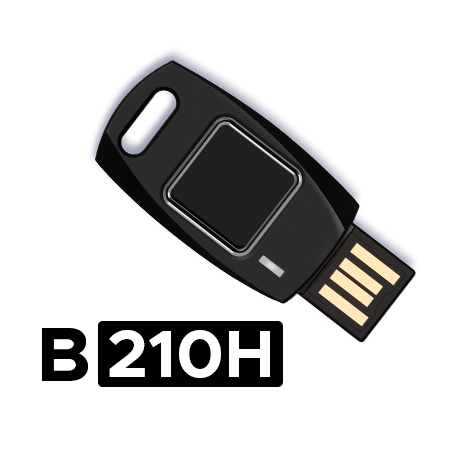

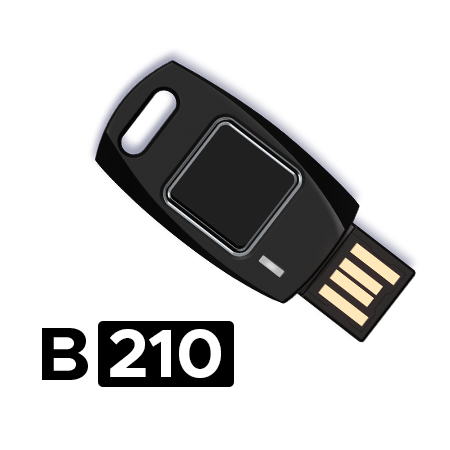

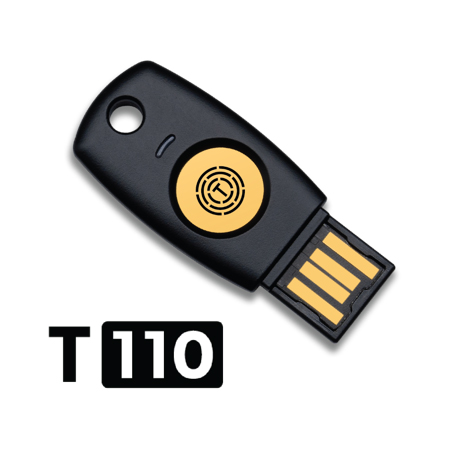

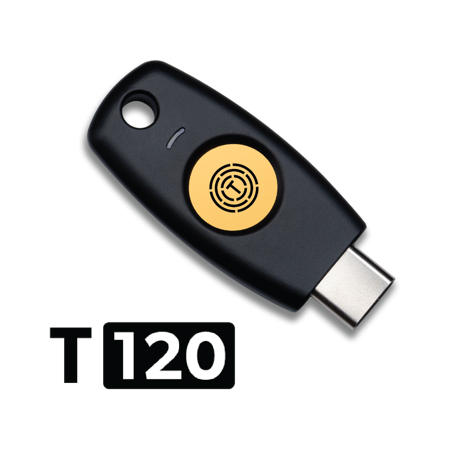

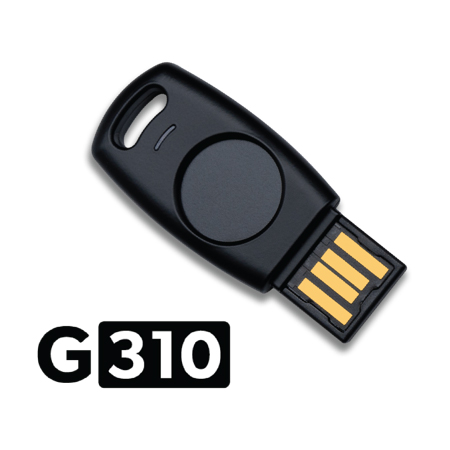

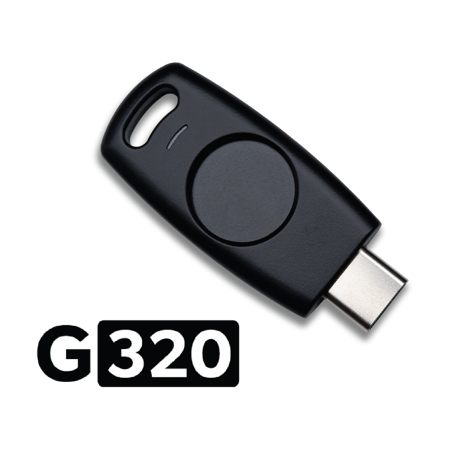
















How to enroll fingerprint with BioManager
How to sign into G Suite using TrustKey
Meet TrustKey’s expert.
CONTACT US
Copyright © 2020 TrustKey. All Rights Reserved.