Literature

Video Title Yoursexwife Upd [exclusive] -

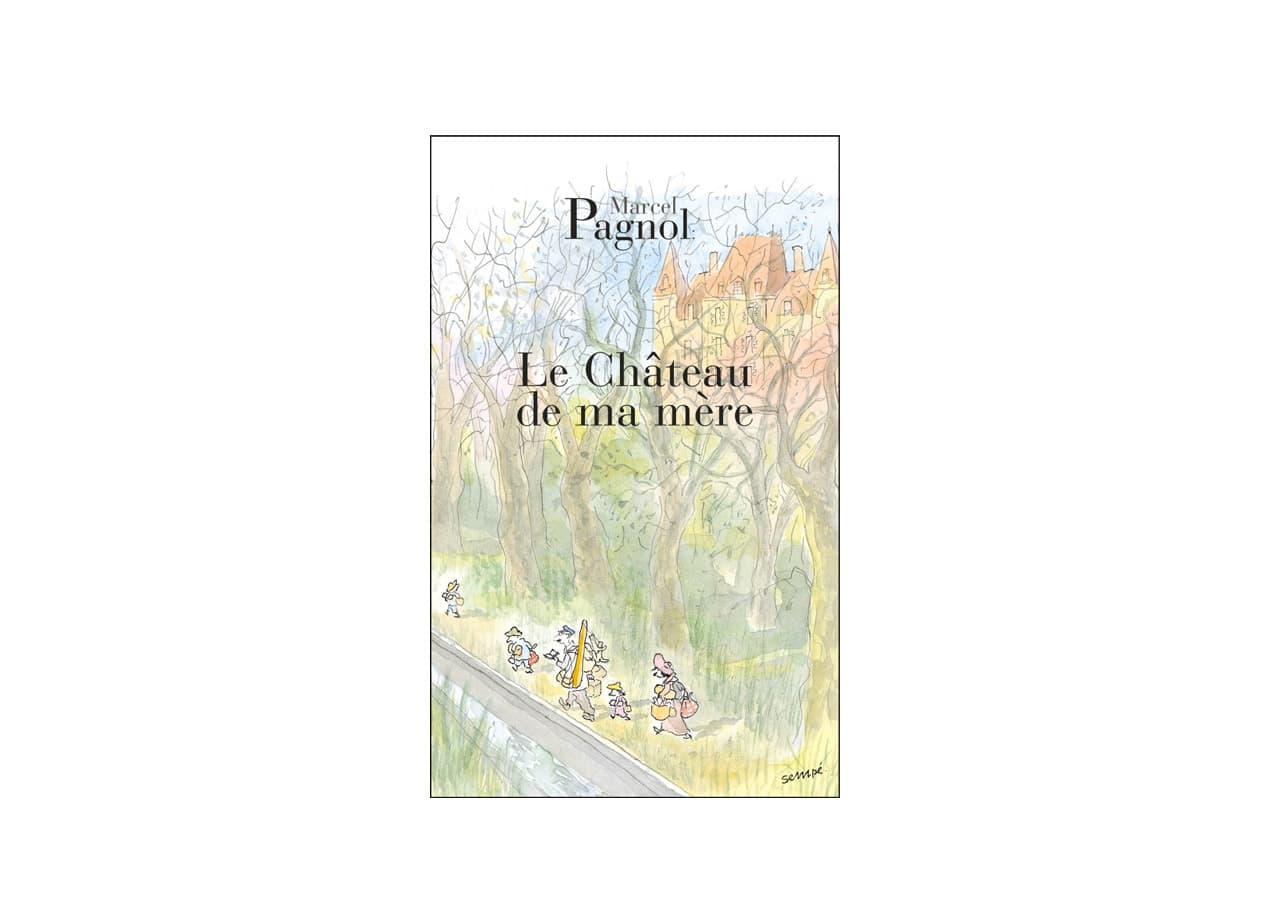
The most beautiful book on child friendship: one morning while hunting in the hills, Marcel meets the little peasant, Lili des Bellons. His vacations and his whole life will be illuminated by it.

The most beautiful book about childhood friendship.

Summary

One year after La Gloire de mon père (My Father’s Glory), Marcel Pagnol thought he would conclude his childhood memories with this Château de ma mère (1958), the second part of what he considered as a diptych, ending with the famous scene of the ferocious guardian frightening the timid Augustine. Little Marcel, after the family tenderness, discovered friendship with the wonderful Lili, undoubtedly the most endearing of his characters. The book closes with a melancholic epilogue, a poignant elegy to the time that has passed. In it, Pagnol strikes a chord of gravity to which he has rarely accustomed his readers.

Hey friend! “
I saw a boy about my age looking at me sternly. You shouldn’t touch other people’s traps,” he said. “A trap is sacred!
” 

– “I wasn’t going to take it,” I said. “I wanted to see the bird.” 

He approached: “it was a small peasant. He was, brown, with a fine Provencal face, black eyes and long girlish lashes.”

Buy online

You will also like:

Video Title Yoursexwife Upd [exclusive] -

The way romantic storylines are approached has undergone a significant shift in recent years. Gone are the days of forced romance, contrived meet-cutes, and overly simplistic love stories. Modern audiences crave more mature and realistic portrayals of romance, and shows have responded by incorporating more complex and nuanced romantic storylines.

Maya’s solution was radical: .

While not linked to one single famous property, this specific phrasing is commonly used in developer logs and writing updates for: video title yoursexwife upd

For developers and narrative designers, title updates are no longer just about fixing bugs or balancing mechanics; they are a direct line to the community, allowing writers to patch the human heart. The Evolution of Video Game Romance The way romantic storylines are approached has undergone

Welcome to the show. Just know—the girl in the thumbnail isn’t the whole story. There’s a whole universe behind the aesthetic, and if you stick around, you just might see it. Maya’s solution was radical:

Here is a review breakdown of what this title typically represents:

In the early days of video games, romance was often a static reward. A player fought through levels, defeated a final boss, and received a brief kiss or a rescue screen as a token of victory. Today, narrative design has shifted dramatically. Digital intimacy has become a core gameplay pillar in role-playing games (RPGs), life simulators, and interactive fiction. Crucially, the introduction of post-launch support—commonly known as title updates (Title Upds)—has fundamentally changed how developers build, repair, and expand these virtual relationships. The Evolution of Choice in Gaming Romance

The way romantic storylines are approached has undergone a significant shift in recent years. Gone are the days of forced romance, contrived meet-cutes, and overly simplistic love stories. Modern audiences crave more mature and realistic portrayals of romance, and shows have responded by incorporating more complex and nuanced romantic storylines.

Maya’s solution was radical: .

While not linked to one single famous property, this specific phrasing is commonly used in developer logs and writing updates for:

For developers and narrative designers, title updates are no longer just about fixing bugs or balancing mechanics; they are a direct line to the community, allowing writers to patch the human heart. The Evolution of Video Game Romance

Welcome to the show. Just know—the girl in the thumbnail isn’t the whole story. There’s a whole universe behind the aesthetic, and if you stick around, you just might see it.

Here is a review breakdown of what this title typically represents:

In the early days of video games, romance was often a static reward. A player fought through levels, defeated a final boss, and received a brief kiss or a rescue screen as a token of victory. Today, narrative design has shifted dramatically. Digital intimacy has become a core gameplay pillar in role-playing games (RPGs), life simulators, and interactive fiction. Crucially, the introduction of post-launch support—commonly known as title updates (Title Upds)—has fundamentally changed how developers build, repair, and expand these virtual relationships. The Evolution of Choice in Gaming Romance