Lesson In Loyalty -chapter 3- ^new^
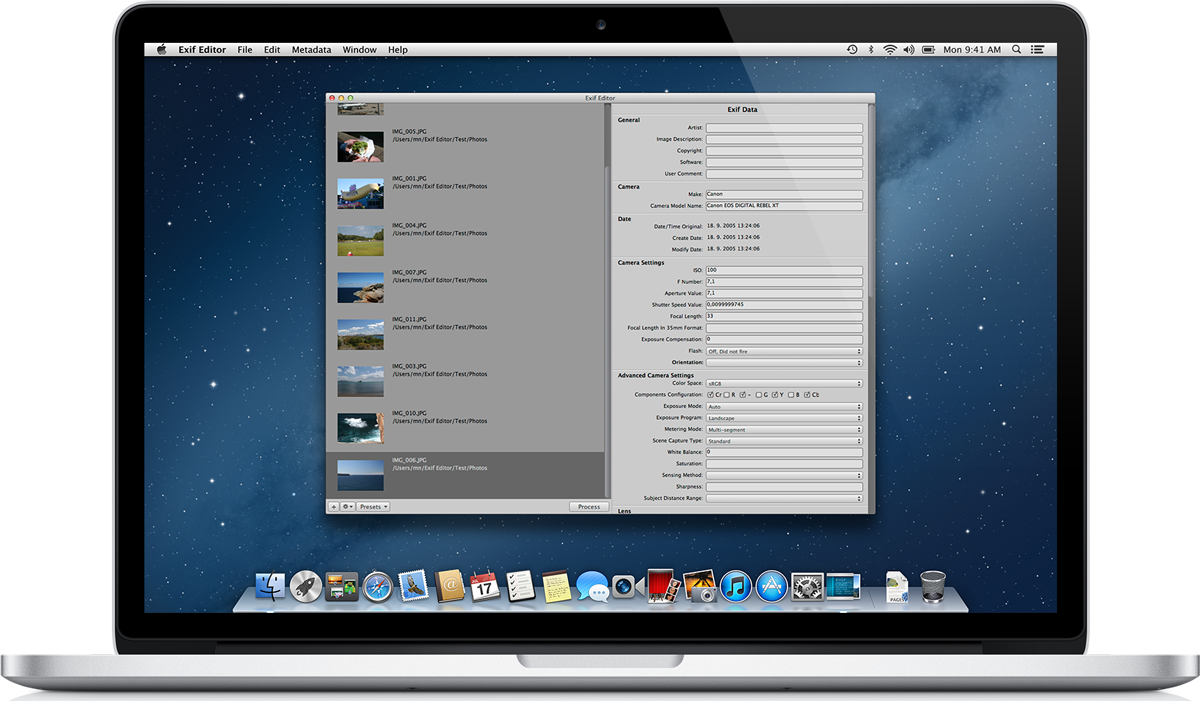
Editor for your image metadata
Up until this point in the story, loyalty has been treated as a virtue of convenience. Characters spoke of allegiance in well-lit rooms and whispered promises of mutual defense. Chapter 3 shatters this complacency by introducing the first true element of risk.
"What?"
Silence answered. Then, a scuffle to the left. Lesson in Loyalty -Chapter 3-
Is this article for a , a corporate leadership blog , or a relationship column ?
To help tailor this article or take it to the next stage, let me know: Up until this point in the story, loyalty
: Understanding that genuine loyalty must eventually include loyalty to oneself to avoid burnout or toxic situations. 🏛️ In History: Institutional Loyalty In historical or civic contexts, such as Truman's Loyalty Program
: Chapter 3 emphasizes that secrets don't stay hidden; they wait for the precise moment when they can cause the most destruction. The Price of Betrayal To help tailor this article or take it
“I’m loyal because if I leave, I’ll lose everything.” This is not loyalty; it is hostage negotiation. Genuine loyalty is a voluntary act of devotion. When the only reason you stay is terror of the alternative, you have not learned loyalty—you have learned submission. Chapter 3 reveals this distinction by introducing a safe exit. If you stay only when the door is locked, you are a prisoner, not a partner.
You may never face a kingdom’s civil war. But you will face Chapter 3 moments. They appear smaller but cut just as deep.
Early on, loyalty feels simple. It is fueled by shared ideals, early promises, or institutional pride. You wear the uniform, defend the flag, or back the leader without hesitation. However, Chapter 3 represents the moment the fog clears.
Acknowledge mistakes early. If a new software rollout or structural reorganization hits a roadblock, admit it. Pretending everything is perfect destroys trust, which is the foundation of loyalty. Protect Your People
 Exif Editor is your preferred program to edit image
EXIF and IPTC metadata on the Mac.
Exif Editor is your preferred program to edit image
EXIF and IPTC metadata on the Mac.