Literature

Hot Mallu Actress Navel Videos 293- [2021] Info

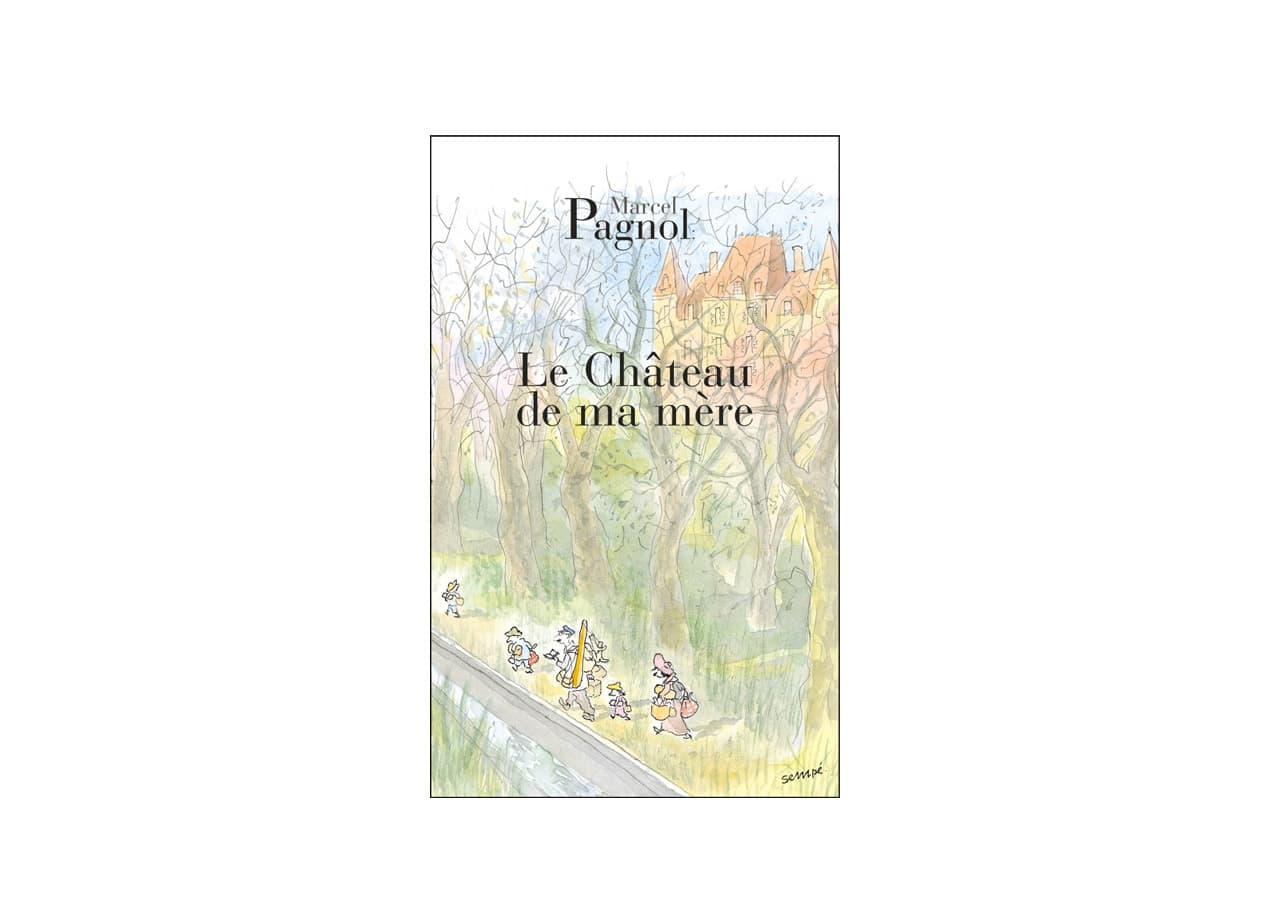
The most beautiful book on child friendship: one morning while hunting in the hills, Marcel meets the little peasant, Lili des Bellons. His vacations and his whole life will be illuminated by it.

The most beautiful book about childhood friendship.

Summary

One year after La Gloire de mon père (My Father’s Glory), Marcel Pagnol thought he would conclude his childhood memories with this Château de ma mère (1958), the second part of what he considered as a diptych, ending with the famous scene of the ferocious guardian frightening the timid Augustine. Little Marcel, after the family tenderness, discovered friendship with the wonderful Lili, undoubtedly the most endearing of his characters. The book closes with a melancholic epilogue, a poignant elegy to the time that has passed. In it, Pagnol strikes a chord of gravity to which he has rarely accustomed his readers.

Hey friend! “
I saw a boy about my age looking at me sternly. You shouldn’t touch other people’s traps,” he said. “A trap is sacred!
” 

– “I wasn’t going to take it,” I said. “I wanted to see the bird.” 

He approached: “it was a small peasant. He was, brown, with a fine Provencal face, black eyes and long girlish lashes.”

Buy online

You will also like:

Hot Mallu Actress Navel Videos 293- [2021] Info

In contemporary cinema, films like Maheshinte Prathikaaram (2016) and Kumbalangi Nights (2019) map the psychology of their characters directly onto their physical surroundings. The rocky terrains of Idukki or the murky backwaters of Kumbalangi are essential to the conflicts, occupations, and identities of the people onscreen. This commitment to hyper-local realism ensures that the cultural specificity of different Kerala regions—from Travancore to Malabar—is preserved with ethnographic precision. Social and Political Consciousness

The physical landscape of Kerala—its tranquil backwaters, dense coconut groves, monsoon rains, and traditional architectural homes ( tharavadus )—is an active character in Malayalam cinema. Cultural Festivals

This intellectual rigor forces the industry to evolve. The "mass" films of Malayalam are not about flying cars or impossible physics; they are about ideological clashes. Lucifer (2019), a commercial blockbuster, is essentially a political treatise on the rise of corporate dictatorship and the preservation of secular, democratic socialism—values intrinsic to modern Kerala culture. hot mallu actress navel videos 293-

Are there you want to emphasize? Share public link

Malayalam cinema has consistently drawn from the rich wellspring of , reimagining evergreen tales for contemporary audiences. Folktales, especially those featuring mythical beings like the Yakshi (a female spirit), have been a recurring theme. K. S. Sethumadhavan's Yakshi (1968), based on a novel by Malayattoor Ramakrishnan, was a psychological thriller that subverted the typical yakshi lore, presenting a nuanced character rather than a mere monster. Social and Political Consciousness The physical landscape of

Renowned writers like Vaikom Muhammad Basheer, Thakazhi Sivasankara Pillai, and M. T. Vasudevan Nair brought their stories directly to the silver screen. This literary infusion anchored the cinema in stark realism and nuanced human psychology. Seminal Adaptations

A detailed breakdown of are represented in cinema. Lucifer (2019), a commercial blockbuster, is essentially a

Perhaps the most unique export of Malayalam cinema is its relationship with the supernatural. Kerala has a deep history of spirit worship, Theyyam , and exorcism. However, it is also the state that produced rationalists like E. V. Ramasamy and Joseph Edamaruku.

In contemporary cinema, films like Maheshinte Prathikaaram (2016) and Kumbalangi Nights (2019) map the psychology of their characters directly onto their physical surroundings. The rocky terrains of Idukki or the murky backwaters of Kumbalangi are essential to the conflicts, occupations, and identities of the people onscreen. This commitment to hyper-local realism ensures that the cultural specificity of different Kerala regions—from Travancore to Malabar—is preserved with ethnographic precision. Social and Political Consciousness

The physical landscape of Kerala—its tranquil backwaters, dense coconut groves, monsoon rains, and traditional architectural homes ( tharavadus )—is an active character in Malayalam cinema. Cultural Festivals

This intellectual rigor forces the industry to evolve. The "mass" films of Malayalam are not about flying cars or impossible physics; they are about ideological clashes. Lucifer (2019), a commercial blockbuster, is essentially a political treatise on the rise of corporate dictatorship and the preservation of secular, democratic socialism—values intrinsic to modern Kerala culture.

Are there you want to emphasize? Share public link

Malayalam cinema has consistently drawn from the rich wellspring of , reimagining evergreen tales for contemporary audiences. Folktales, especially those featuring mythical beings like the Yakshi (a female spirit), have been a recurring theme. K. S. Sethumadhavan's Yakshi (1968), based on a novel by Malayattoor Ramakrishnan, was a psychological thriller that subverted the typical yakshi lore, presenting a nuanced character rather than a mere monster.

Renowned writers like Vaikom Muhammad Basheer, Thakazhi Sivasankara Pillai, and M. T. Vasudevan Nair brought their stories directly to the silver screen. This literary infusion anchored the cinema in stark realism and nuanced human psychology. Seminal Adaptations

A detailed breakdown of are represented in cinema.

Perhaps the most unique export of Malayalam cinema is its relationship with the supernatural. Kerala has a deep history of spirit worship, Theyyam , and exorcism. However, it is also the state that produced rationalists like E. V. Ramasamy and Joseph Edamaruku.