…don't search – find!
…don't search – find!
…don't search – find!

Because the traditional Meitei Mayek script and the Bengali script (traditionally used for Manipuri) can sometimes face formatting or keyboard compatibility issues on older mobile devices, internet users heavily rely on Romanized Meiteilon. This phonetic adaptation allows creators to type quickly and makes the content highly searchable across mainstream platforms. 2. Social Media and Anonymous Forums
Family unity, adjustments in marriage, comedic rivalry, the impact of rumors, and true affection over jealousy. 4. Why the Sequel Works: Humor and Relatability
The Dagbon Kingdom, a paramount traditional state in Ghana, has a rich cultural heritage that dates back centuries. At the heart of this heritage lies the Eteima Mathu Naba, a revered institution that has been a cornerstone of the kingdom's tradition and customs. In our previous article, we explored the history and significance of Eteima Mathu Naba, and in this part 2, we delve deeper into the mysteries and intricacies of this ancient institution.
The Eteima Mathu Naba Part 2 is set in the ancient Dagbon Kingdom, a powerful and influential empire that once flourished in the heart of West Africa. The story takes place during a time of great turmoil and upheaval, as the kingdom faces numerous challenges and threats from external forces. Against this backdrop, the Eteima Mathu Naba emerges as a beacon of hope and wisdom, guiding his people through the treacherous landscape of politics, war, and diplomacy.
Based on the title provided, " Eteima Mathu Naba Part 2 " appears to refer to a specific entry in Meitei (Manipuri) digital literature or adult-oriented web stories typically found on social media platforms or community forums. In Meitei culture and language:
Look for "Manipuri Wari" channels that provide voice-over narrations of the text. 3. Content Warnings
The Eteima Mathu Naba might be linked to the golden ratio, potentially describing a mathematical structure that incorporates phi as a fundamental component. This could have significant implications for our understanding of aesthetics, proportion, and harmony in mathematics and art.
Some creators host their stories on Google Drive or PDF sharing sites for easier reading.

Let's be blunt: Traditional document management is a time-sink and a headache. Searching for files is inefficient, physical storage is costly, and the risk of losing important information is always present. You might be thinking, “Okay, but why open-source? What’s the catch?” Here’s the good news: there isn’t one. Using an open-source DMS is like getting a five-star meal without the bill. It saves you time, cuts storage costs, and packs powerful features—all for free. Here’s why it’s worth a closer look:
A DMS solves these problems. But why choose an open-source DMS? Here's the breakdown:
No Price Tag, Big Value: Forget hefty license fees or per-document charges. Open-source DMS are free to download and use, whether you’re a solo user or a growing company. Need support? It’s usually affordable, thanks to clever developers reusing existing tools. Eteima Mathu Naba Part 2
Total Flexibility: Want your DMS to sync with your ERP or accounting software? With open-source code, you can tweak it yourself—no expensive consultants required. It’s your system, your rules.
Low Stakes, High Rewards: New to digital document management? Open-source lets you dip your toes in without drowning in costs. If it doesn’t work out, you’ve lost nothing but a little time. Because the traditional Meitei Mayek script and the
Simply put, an open-source DMS gives you control, saves you money, and works just as hard as those pricey proprietary systems. Small businesses love it, big teams swear by it, and even private users can organize their home files for free. So, why not give it a shot?
Are you interested in the basic functions of a DMS? Take a look at our video, where we demonstrate simple actions within a system. Social Media and Anonymous Forums Family unity, adjustments

The world of open-source DMS is buzzing with choices. Here’s a quick peek at some popular players:
Each has its own advantages, from slick interfaces to specialized features. But since every company (or home office) is different, we won’t bore you with a one-size-fits-all comparison. The trick is picking the one that matches your needs—which brings us to the next big question.
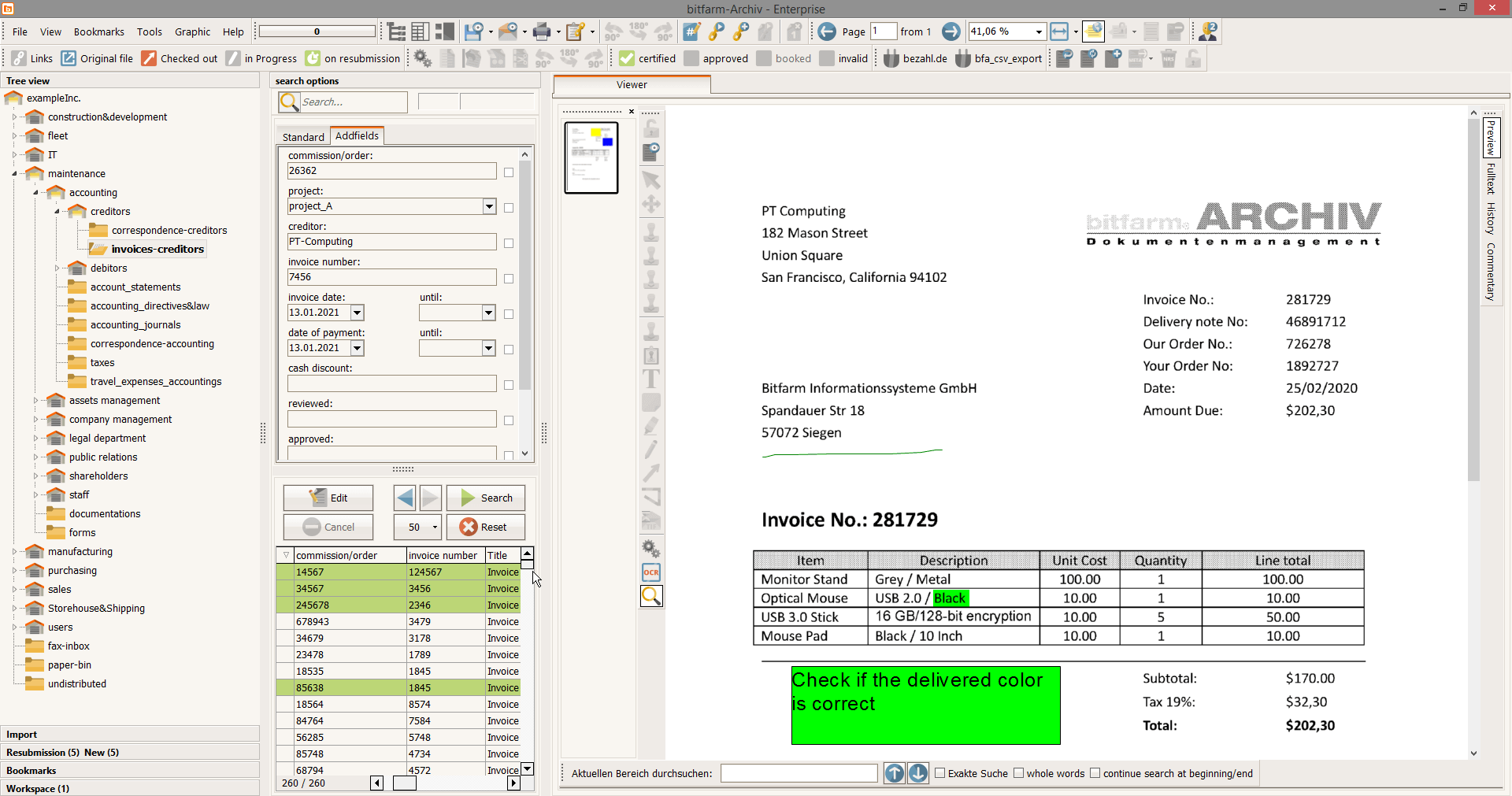
Finding the right open-source DMS isn’t about grabbing the shiniest toy off the shelf. It’s about what fits your workflow, your team, and your goals. To make it easy, we’ve rounded up six key criteria that matter to almost everyone. Let’s dive into each one—don’t worry, we’ll keep it simple and fun.

Because the traditional Meitei Mayek script and the Bengali script (traditionally used for Manipuri) can sometimes face formatting or keyboard compatibility issues on older mobile devices, internet users heavily rely on Romanized Meiteilon. This phonetic adaptation allows creators to type quickly and makes the content highly searchable across mainstream platforms. 2. Social Media and Anonymous Forums
Family unity, adjustments in marriage, comedic rivalry, the impact of rumors, and true affection over jealousy. 4. Why the Sequel Works: Humor and Relatability
The Dagbon Kingdom, a paramount traditional state in Ghana, has a rich cultural heritage that dates back centuries. At the heart of this heritage lies the Eteima Mathu Naba, a revered institution that has been a cornerstone of the kingdom's tradition and customs. In our previous article, we explored the history and significance of Eteima Mathu Naba, and in this part 2, we delve deeper into the mysteries and intricacies of this ancient institution.
The Eteima Mathu Naba Part 2 is set in the ancient Dagbon Kingdom, a powerful and influential empire that once flourished in the heart of West Africa. The story takes place during a time of great turmoil and upheaval, as the kingdom faces numerous challenges and threats from external forces. Against this backdrop, the Eteima Mathu Naba emerges as a beacon of hope and wisdom, guiding his people through the treacherous landscape of politics, war, and diplomacy.
Based on the title provided, " Eteima Mathu Naba Part 2 " appears to refer to a specific entry in Meitei (Manipuri) digital literature or adult-oriented web stories typically found on social media platforms or community forums. In Meitei culture and language:
Look for "Manipuri Wari" channels that provide voice-over narrations of the text. 3. Content Warnings
The Eteima Mathu Naba might be linked to the golden ratio, potentially describing a mathematical structure that incorporates phi as a fundamental component. This could have significant implications for our understanding of aesthetics, proportion, and harmony in mathematics and art.
Some creators host their stories on Google Drive or PDF sharing sites for easier reading.


Are you interested in more information around the topic of documentation management (open source)?

"The growth of the last few years would not have been possible without bitfarm-Archiv."