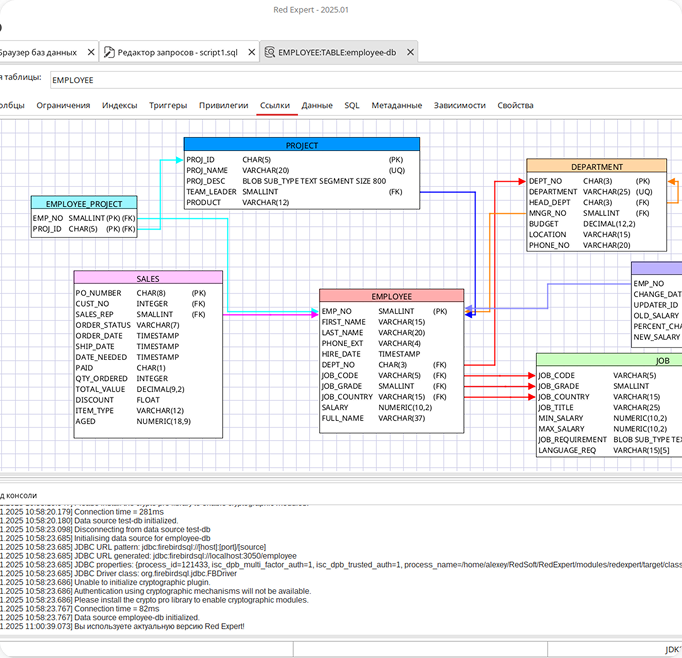
Cas 200 Alfa Laval New Version [2021] Review

Multi-platform graphical tool for working with Firebird databases

Created by professionals
for professionals

cas 200 alfa laval new version

Created by members
of the Firebird community

5+ years old

Product on the market

17+ years old

Experience in DBMS development

Manage databases in free RED EXPERT

cas 200 alfa laval new version

Supports all versions of Firebird database

cas 200 alfa laval new version

Supports English
and Portuguese

cas 200 alfa laval new version

Tools for database analysis and optimization

cas 200 alfa laval new version

Runs databases > 1TB

cas 200 alfa laval new version

Works on Linux, Windows, MacOS, Android operating systems

Open up a world of possibilities - download RED Expert

Try our app completely free of charge and enjoy all its features

Cas 200 Alfa Laval New Version [2021] Review

Depending on your specific application, you might be looking for a new version of a "200" series physical unit: Go to product viewer dialog for this item. Blue /Black /White Alfa Laval Oil Separator Parts

This is the current global platform for selecting and configuring heat exchangers. It replaces much of the standalone desktop functionality of legacy tools like CAS 200 with real-time, cloud-updated data.

Alfa Laval has introduced redesigned titanium plates featuring optimized corrugation patterns. This updated geometry maximizes turbulent flow at lower velocities, which drastically increases the thermal heat transfer coefficient. Consequently, the unit can generate more freshwater using the exact same thermal input from the jacket water. 2. Advanced Scaling Resistance

If you operate an older CAS 200 and are considering an upgrade or replacement: cas 200 alfa laval new version

Marine cooling systems must deliver absolute reliability under harsh conditions. The central cooling system sets a new benchmark for maritime thermal efficiency. This article explores the engineering advancements, operational benefits, and system integrations of the new version of this critical marine technology. 1. Overview of the Alfa Laval CAS 200

: Improved plate designs that handle high-pressure cycles better than previous versions.

Effective heat exchange requires fluids to flow in opposite directions. CAS 200 maps the primary heating media input directly opposite to the secondary cooling media path. This keeps the temperature driving force consistent across the entire length of the internal plate pack channel. 2. Logarithmic Mean Temperature Difference (LMTD) Depending on your specific application, you might be

Engineers, HVAC consultants, and plant operators rely on the CAS 200 software to input system variables—such as flow rates, fluid properties, and temperature differentials—and instantaneously generate precise equipment specifications. As industrial processing prioritizes energy efficiency and lower carbon footprints, this updated version brings enhanced accuracy, cloud integration, and a broader database of modern heat exchanger designs. Understanding the Core Function of CAS 200

As the maritime sector transitions away from heavy fuel oil (HFO), vessels are increasingly adopting biofuels, methanol, LNG, and ammonia. The new CAS 200 version introduces dedicated simulation profiles for these alternative fuels. It accurately models changes in viscosity, density, and thermal properties, ensuring that onboard separation and conditioning systems operate safely and efficiently regardless of the fuel blend used. 4. Cloud-Based Fleet Analytics

If you are looking for a physical "piece" or spare part for a system originally designed using CAS 200, you can source genuine components through authorized channels. big data analytics

At the forefront of this digital maritime revolution is Alfa Laval, a global leader in heat transfer, separation, and fluid handling. To address the evolving needs of modern fleets, Alfa Laval has rolled out a heavily upgraded iteration of its renowned computer-aided simulation and optimization architecture: the .

These advancements are not just about software updates; they are about empowering engineers to design more efficient, sustainable, and reliable systems for the future. By integrating AI, big data analytics, and cloud connectivity, Alfa Laval is set to transform how industrial processes are engineered and managed.

: Users can now benchmark current equipment performance against "as-new" factory specifications, helping to justify upgrades or Separation Efficiency Upgrades which can boost efficiency by up to 30%. Multilingual Support & Instructions

If you want, I can:

Work with databases in a graphical interface

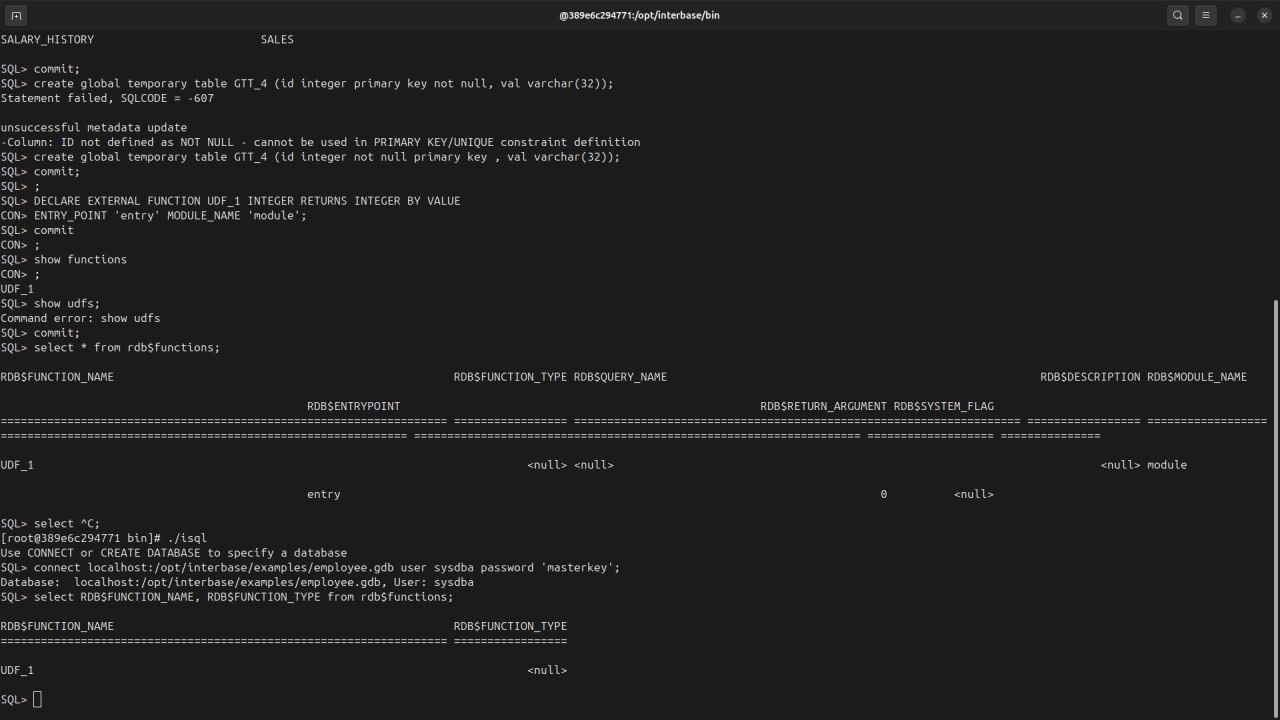
Stop working in the terminal by switching to a graphical tool

cas 200 alfa laval new version cas 200 alfa laval new version
cas 200 alfa laval new version

Depending on your specific application, you might be looking for a new version of a "200" series physical unit: Go to product viewer dialog for this item. Blue /Black /White Alfa Laval Oil Separator Parts

This is the current global platform for selecting and configuring heat exchangers. It replaces much of the standalone desktop functionality of legacy tools like CAS 200 with real-time, cloud-updated data.

Alfa Laval has introduced redesigned titanium plates featuring optimized corrugation patterns. This updated geometry maximizes turbulent flow at lower velocities, which drastically increases the thermal heat transfer coefficient. Consequently, the unit can generate more freshwater using the exact same thermal input from the jacket water. 2. Advanced Scaling Resistance

If you operate an older CAS 200 and are considering an upgrade or replacement:

Marine cooling systems must deliver absolute reliability under harsh conditions. The central cooling system sets a new benchmark for maritime thermal efficiency. This article explores the engineering advancements, operational benefits, and system integrations of the new version of this critical marine technology. 1. Overview of the Alfa Laval CAS 200

: Improved plate designs that handle high-pressure cycles better than previous versions.

Effective heat exchange requires fluids to flow in opposite directions. CAS 200 maps the primary heating media input directly opposite to the secondary cooling media path. This keeps the temperature driving force consistent across the entire length of the internal plate pack channel. 2. Logarithmic Mean Temperature Difference (LMTD)

Engineers, HVAC consultants, and plant operators rely on the CAS 200 software to input system variables—such as flow rates, fluid properties, and temperature differentials—and instantaneously generate precise equipment specifications. As industrial processing prioritizes energy efficiency and lower carbon footprints, this updated version brings enhanced accuracy, cloud integration, and a broader database of modern heat exchanger designs. Understanding the Core Function of CAS 200

As the maritime sector transitions away from heavy fuel oil (HFO), vessels are increasingly adopting biofuels, methanol, LNG, and ammonia. The new CAS 200 version introduces dedicated simulation profiles for these alternative fuels. It accurately models changes in viscosity, density, and thermal properties, ensuring that onboard separation and conditioning systems operate safely and efficiently regardless of the fuel blend used. 4. Cloud-Based Fleet Analytics

If you are looking for a physical "piece" or spare part for a system originally designed using CAS 200, you can source genuine components through authorized channels.

At the forefront of this digital maritime revolution is Alfa Laval, a global leader in heat transfer, separation, and fluid handling. To address the evolving needs of modern fleets, Alfa Laval has rolled out a heavily upgraded iteration of its renowned computer-aided simulation and optimization architecture: the .

These advancements are not just about software updates; they are about empowering engineers to design more efficient, sustainable, and reliable systems for the future. By integrating AI, big data analytics, and cloud connectivity, Alfa Laval is set to transform how industrial processes are engineered and managed.

: Users can now benchmark current equipment performance against "as-new" factory specifications, helping to justify upgrades or Separation Efficiency Upgrades which can boost efficiency by up to 30%. Multilingual Support & Instructions

If you want, I can: